Grief is a process which does not typically beget much consideration for children.
The adult responses to death and dying seem to receive greater attention as at times, it is almost
forgotten that children, too, experience the pain of loss. Although they may not outwardly display
their emotions in the same way as adults, they feel the same accompanying emotions: fear,
sadness, sorrow, and anxiety.
Navigating death with young children is exceptionally challenging. While older adolescents are
learning to comprehend the finality of death, preschool and younger-aged children are literal
thinkers and the inability of this age group to understand the concept of time presents a challenge.
Young children are not equipped to understand the permanence of death and may not actually be
aware of what death is. They may not yet understand that when a person is dead, they no longer
walk, talk, visit, call, play, or exist. Children may have difficulty identifying the source and range of
their emotions. They rely on adults to recognize the symptoms of traumatic stress, and to provide
opportunities for coping. Fearing that they will somehow damage their child or failing to recognize
that children, too, require time to grieve, parents often make the damaging misstep of attempting
to avoid discussing loss with their children. It is critically important that children, like adults, are
provided with constructive outlets for their grief. They must be given permission to feel the loss,
and to explore their own sorrow. Finding a way of educating children on loss in a manner that is
developmentally appropriate is crucial. Sesame Street has an extensive library of excellent resources for discussing death and grief in a kid-friendly way.
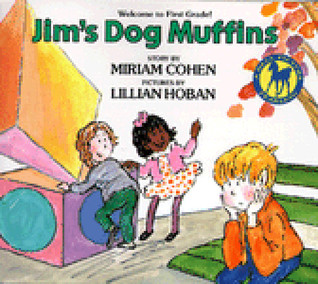
Because storytelling is such a common component of childhood, children’s literature is a natural outlet for broaching the topic of loss and its accompanying emotions and behavioral responses. There are a great number of resources on the subject of death and grief available, both literature and informational. A particular favorite of mine is Miriam Cohen’s Jim’s Dog Muffins. It tells the story of a boy whose dog is hit and killed by a garbage truck. When he returns to school following the loss, the other kids in his classroom try to console him, but he rejects their advances and retreats within himself. His teacher recognizes the signs of grief in Jim, and encourages his classmates to be patient. After school, a friend buys Jim a slice of pizza and Jim finally is able to share a memory about his beloved pet. Star Bright Books includes an example of how Jim's Dog Muffins can be used in an elementary classroom environment to help children understand the emotions associated with death.
I read this book when I was in elementary school and vividly remember an illustration of Jim and his friend sitting on the curb talking, while tears run down Jim’s face onto his slice of pizza. I remember feeling that his tears equated to relief. It felt like his emotions had been bottled up and the pizza break with a kind friend provided the opportunity Jim needed to safely share his feelings. I think this is a timeless story that should be available to all children who are facing, or are curious about, loss.

No comments:
Post a Comment